


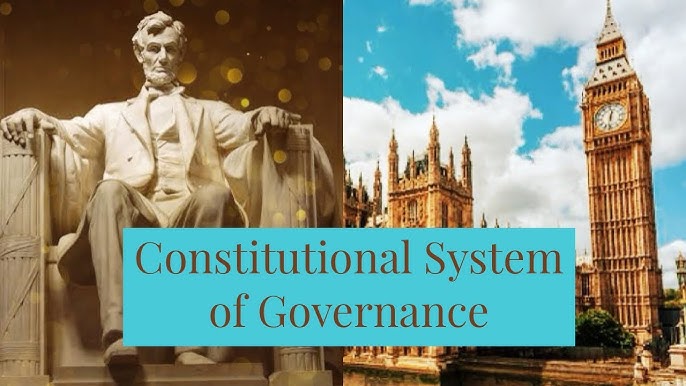
Ah, the Magna Carta, often revered as the OG (Original Governance) document that set the stage for modern democracy and constitutional law! If Shakespeare were writing the script, he might have called it “The Play Wherein the King Learns to Share,” but thankfully, history gave us the much snappier “Magna Carta.”
Let’s travel back in time to 1215, England. A year synonymous with bad haircuts and even worse taxation laws. Enter King John, or as we might call him today, John the Un-Excellent. John had, to put it mildly, some management issues. The countryside was buzzing with disgruntled barons who believed their king had as much business ruling as a cat has in a swimming pool. Enter the Magna Carta, the document that pulled King John out of hot water—or at least out of the metaphorical pool of his own making.
Read more – The Impact of Hydration on Skin and Hair Health
A Meeting at Runnymede
First things first: the Magna Carta was hashed out on the fields of Runnymede, a name that might sound like an Ikea coffee table but was, in fact, a neutral spot along the River Thames. On June 15, 1215, King John reluctantly put his royal Hancock on the paper, giving birth to an agreement that dared to suggest the king didn’t actually have divine rights to do whatever he pleased. What cheek!
The Birth of Accountability
The Magna Carta has long been celebrated for introducing the radical idea that the monarchy should be accountable to its subjects. Within its tattered pages lay a series of clauses that, while not exactly topping the bestseller list in John’s court, became legendary over time. Most famously, it established that no freeman could be punished except through the law of the land—essentially giving birth to the concept of due process. The ‘Trial by TikTok’ that some modern-day celebrities face? That, alas, was not included.
Foundation for Modern Democracy
Fast forward a few centuries, and the Magna Carta’s influence is noticeably global. Take the United States Constitution, for example. The founding fathers might’ve been wearing powdered wigs, but they knew how to pick enduring role models, and the Magna Carta was one of their go-tos. Concepts such as trial by jury, the right to a fair trial, and protection against arbitrary imprisonment all borrowed a bit from that age-old English treaty.
The Magna Carta’s reach extends beyond just words on a document—it’s the Spirit of Rebellion that says, “Hey, maybe power should have limits,” or “Maybe leaders should occasionally listen to those they’re leading.” A narrative we see echoing in many other democratic systems worldwide today.
Constitutional Governance
But the Magna Carta’s role didn’t stop at democracy; it laid the groundwork for constitutional law. Essentially, it was the 13th-century equivalent of Apple’s T&C agreement—it was long, largely misunderstood, and only some parts were regularly updated. Nevertheless, its existence meant that rules, rights, and responsibilities were put on paper, to be debated, adhered to, and eventually enshrined into what we now take as a given in governance.
Legacy with a Side of Quirky
Fast forward to today, the Magna Carta is less a rigid list of dos and don’ts, and more a cultural icon, reminiscent of an ancient manuscript that deserves both reverence and a little side-eye curiosity. For history buffs, it’s the inspiration for countless other documents that loathed tyrants would never dare read for fear of getting ideas.
In the end, the Magna Carta’s message was—and still is—simple: No one is above the law, not even kings, queens, or reality TV stars. It was the contract that launched a thousand constitutions. And that, dear reader, is something to toast to, whether your ale is in Runnymede or the comfort of your living room.
So here’s to the Magna Carta, the piece of parchment that dared to challenge the status quo and ended up changing the course of history. Because sometimes, it turns out—writing it down really does matter. Cheers to that!


Be the first to write a comment.